
History of gouache, everything you need to know about this ancient medium.
- Maya At the Dino Studio
- Jan 27
- 5 min read

You can think of gouache as watercolour's hotter cousin, with a stunning array of colours, a zen painting experience and a huge range of possible styles this might just be the most underrated art medium ever!
Within this post I dive into what gouache is, how it's made and what each ingredient means, making it at home and even cover some of it's extensive history. I'm excited to write about 'painting with gouache' soon, this will be the brush work and techniques used to create any style, basically spilling all my painting secrets! I cover all this and waaaay more in my in-person workshops, these are small, hands on workshops designd to give you everything you need to start painting with gouache. I run these out of my tiny art studio in Daylesford, Victoria. To see when the next tickets go live for this workshop and more click:
Otherwise read on for everything you need to know about this ancient medium.
P.S. At the end of this short read I've curated a collection of beautiful historical gouache paintings to inspire your creative spark!


In the art world gouache has long been associated with designers, animators and illustrators, serving as a practical medium for producing work quickly but recently gouache has been expanding its horizons, take a quick scroll through Pinterest and you can see gouache used for everything from portraits to abstracts. Not only that, it has a rich history few are aware of, I'm excited to unpack literally everything you need to know in my gouache series but let's start with what on earth it is, how it's made and what those ingredients mean when painting with it.
Gouache at a glance:
Gouache comes in little tubes or palettes of small tubs, it's water based and re wet-able so painting with gouache feels similar to water colour. The main difference between the two is that gouache is considerably more opaque and contains more pigment. It dries quickly hence it's affinity with poster painters and animators and gives this perfect matt texture. I completely fell in love with the vibrancy and richness of this medium.
Why you'll love it:
Gouache can be used to create a plethora of styles and depending how much water is mixed into the paint, anything from sheer watercolour-like layers to thick dobs of texture is possible! One of it's biggest perks is how much of a punch this medium packs for being so compact and is one of the best choices for travelling.
Unique challenges you might encounter:
It can be notoriously hard to layer due to the paint reactivating itself but when focusing on painting in thin to thick layers and using a soft brush you'll find it's totally possible to build up layers. Gouache dries matt and due to a mixture of this matt texture and the chalk-like opacity it actually doesn't dry true to colour, with the darks drying slightly lighter and the lights drying slightly darker. I personally love this effect as it softens the colours and trains the eye to anticipate the value shift - but it can be a challenge to work with.
You can make gouache at home:
Gouache can be made at home surprisingly easy with the right ingredients and a palette knife or muller. Although off-the-shelf gouache contains a myriad of extra additives like stabilisers, preservatives and more, gouache essentially consists of these key ingredients: Pigment (colour), Binder (glue), Water, Body (filler) and honey or glycerin (texture).
Here's a great recipe for making gouache yourself:
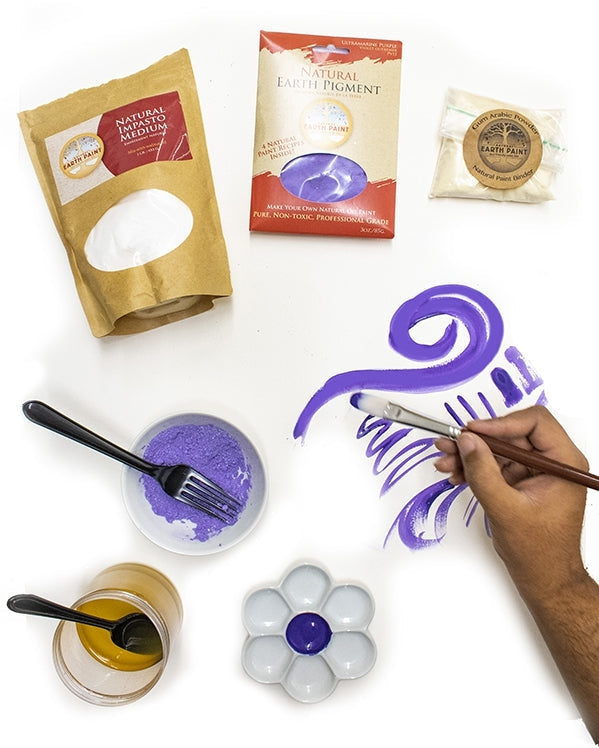

Pigment: This is the pure colour, like a dye in a powder form. Different colours are created from different sources and although modern gouache can contain synthetic pigments its also common for them to contain 'organic pigments' and this could be anything from rocks to heavy metals.
A note on toxicity: Counterintuitively, the toxic ingredient in conventional gouache is often not the additives or 'agents' but the pigment itself. The way you handle this extra toxicity is ultimately up to you, while my uncle and renowned painter Andrew Tischler always says "Don't touch it and keep a clean workspace, it's not that hard!" I've had to go in the other direction and am a strong advocate for low-tox, safe pigments, as I will often get it on my fingers. Always check the label for any warnings or disclaimers and make a quick internet search to check it's safe (specify the colour and producer), especially if working with children!

Binder: This is like a water soluble glue, it holds the paint together and sticks it to the paper to prevent it simply flaking off. Gum Arabic is often used in home-made gouache and is common in conventional gouache as well, although binders vary with different ranges and brands.
Water: This is the 'base' of the medium and is what brings the other ingredients together into a paint. making it water soluble and re wet-able.
Body (or filler): The truth is, a lot of the filler content in conventional gouache is simply a means of cutting costs in production but there are many instances where adding a filler is beneficial, especially if the pigment in the gouache is naturally transparent. For mixing at home a fine limestone powder is often used but conventionally fillers vary. Alumina hydrate, calcium carbonate, kaolin, talc and silica are all possible fillers to name a few.
Honey or Glycerin: This is for that beautiful buttery consistency that we look for in gouache, although it's not an ingredient in off-the-shelf gouache, honey is a great addition if mixing your own and really ties into the history of this medium as honey was often a prized component of ancient art supplies. Within conventional gouache there are long lists of stabilisers and wetting agents all designed to create the perfect even consistency. Glycerin is a vegan alternative.
Adding clove or thyme essential oils when mixing your own gouache acts as a mild preservative.
Mythology and history of Gouache:
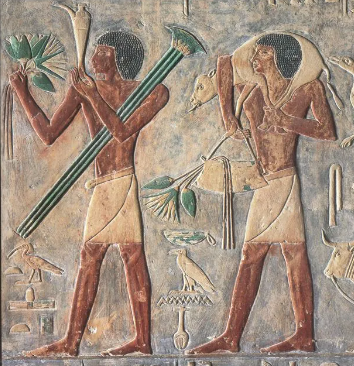
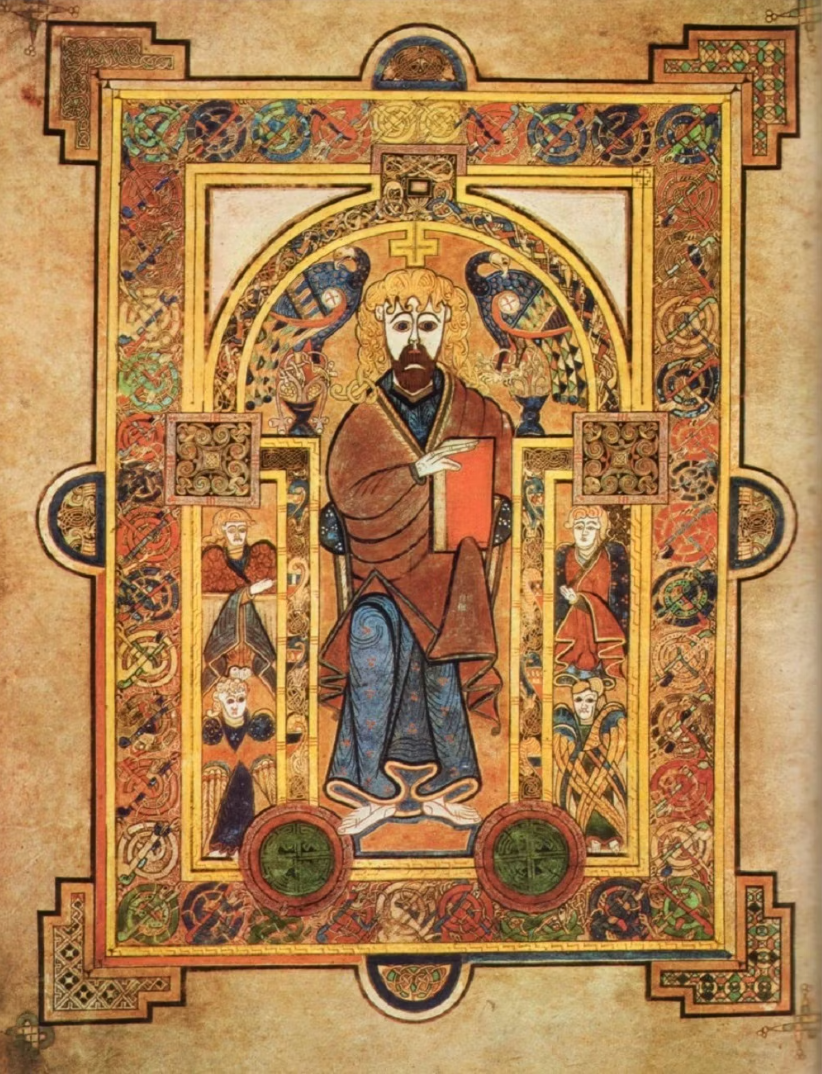
The name Gouache originates from the Italian word for "mud" (guazzo) and it mirrors the true origin of all paint. we know humans created art first, even before writing, symbols and drawings are painted on rock walls using raw earth pigments and water. The story of paint then evolves over time with ingredients being added like gum arabic, honey and egg yolks. Most of the colours in ancient Egyptian art are in fact, gouache paint! Throughout the middle ages in Europe gouache flourishes alongside religious texts illuminating manuscripts written by monks. Within a similar time period, stunningly intricate illustrations can be found on Persian miniatures from Iran and these are just a few examples of the absolutely mind-blowing gouache art that has been preserved.
"By the 19th century, gouache was produced industrially, which made it more accessible and particularly popular with landscape artists. In the 20th century, commercial artists began to rely on gouache to produce cel animation, poster art, and comic books."
The breadth and width of this medium across time and continents cannot be understated, so while we could not possible tie gouache to just one mythology or culture, to me it remains inherently mythological and through it's wide spread use and simple yet effective formulation it reminds us that imagery is fundamentally the building blocks of story. That our priority as a species, was, is and will always be art.
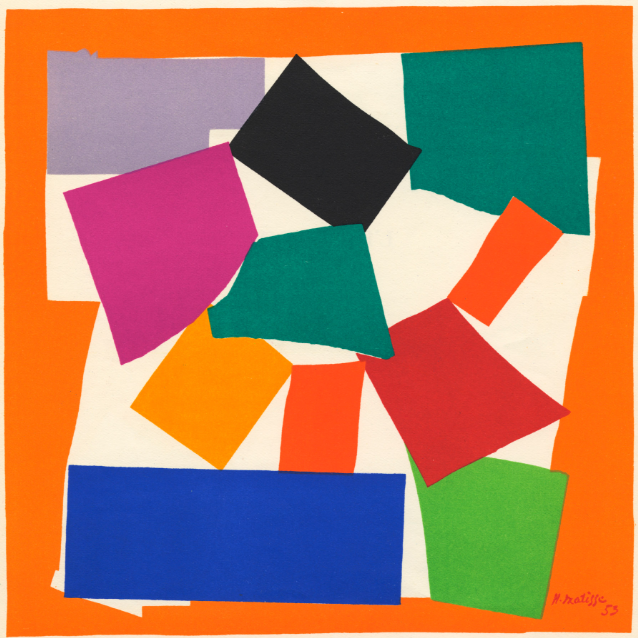
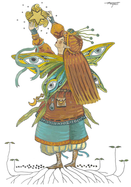
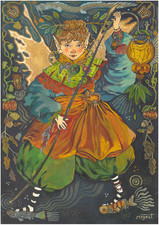
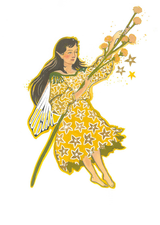
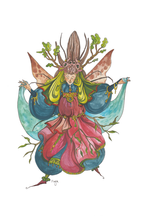
Check out these amazing historical gouache artworks, from ancient to contemporary:









Comments